Custom Millwork vs. Prefabricated Solutions: What’s the Right Choice for Your Commercial Space?
January 18, 2026
Choosing Between Custom Millwork and Prefabricated Solutions
When planning a commercial renovation—especially for a restaurant, bar, or hospitality space—one of the earliest and most important decisions is whether to use custom millwork or prefabricated solutions. While prefab options can seem faster or more cost-effective upfront, custom millwork often delivers long-term value that goes far beyond aesthetics.
Here’s how to think through the difference—and how to choose the right approach for your project.
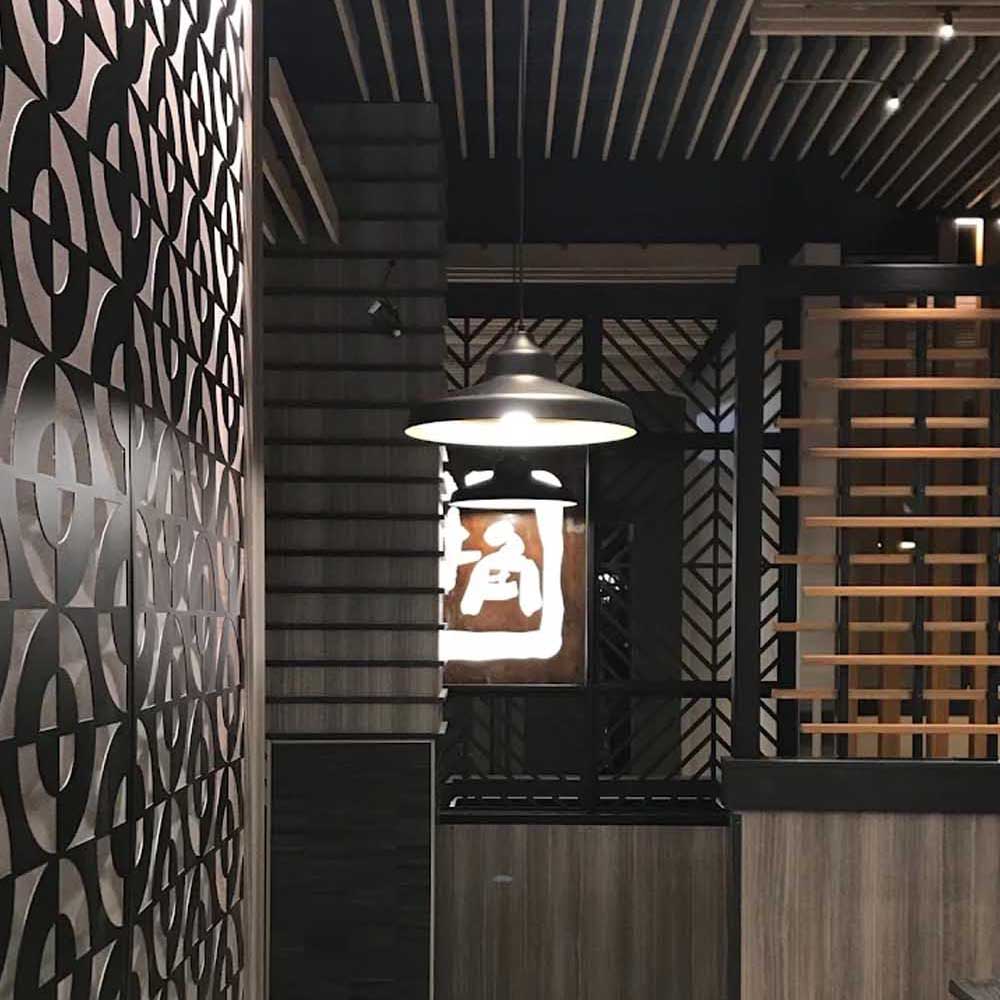
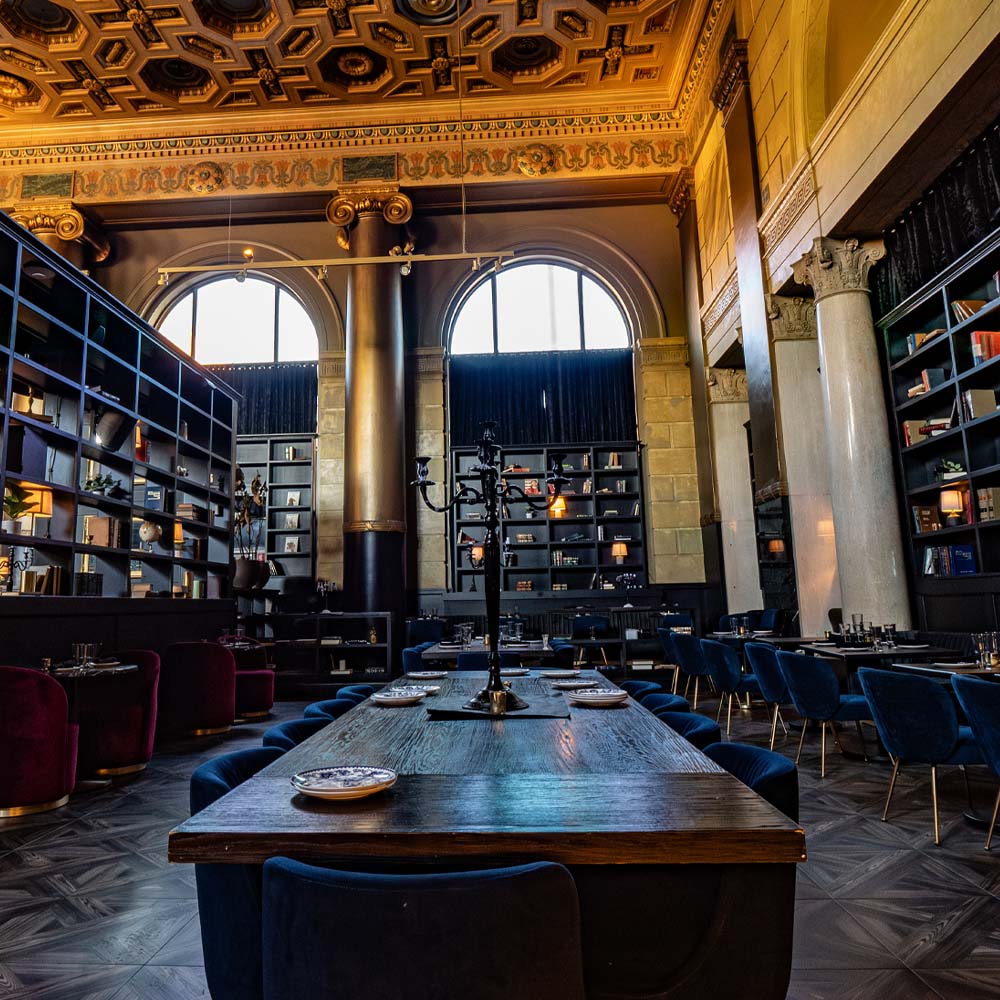
At Form Construction, we collaborate closely with owners, designers, and architects to ensure millwork decisions support the layout, operations, and long-term goals of the space.
What Is Prefabricated Millwork?
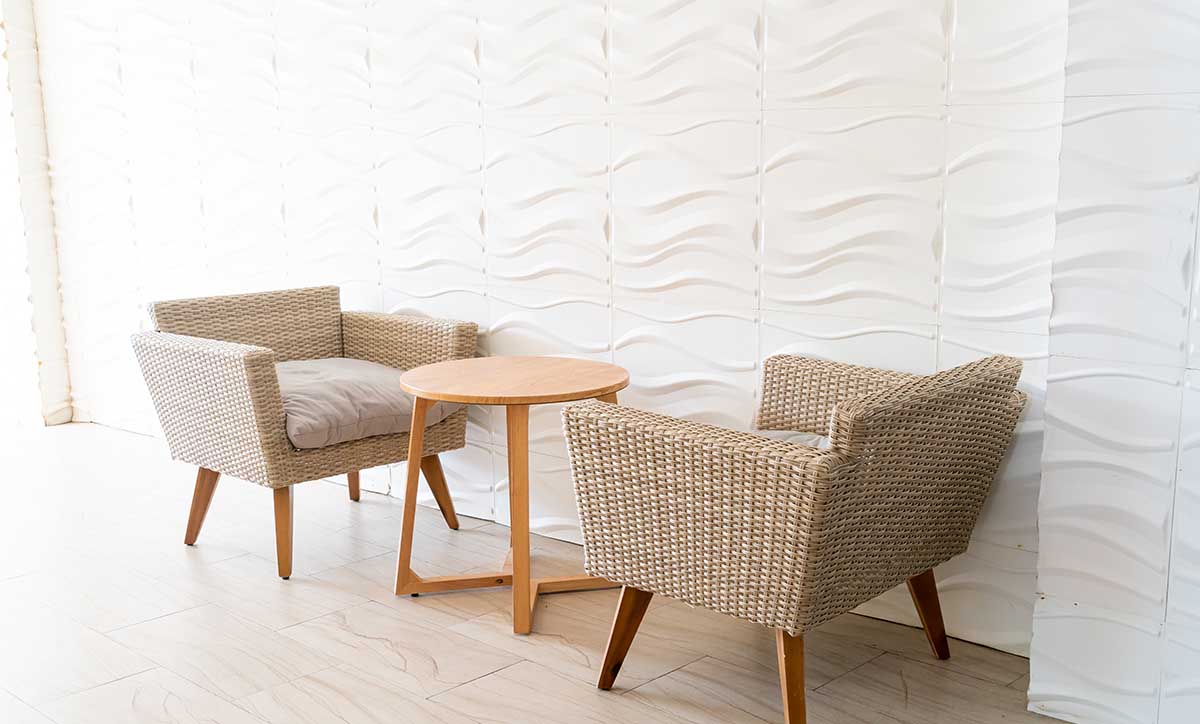
Prefabricated (or “prefab”) millwork includes off-the-shelf cabinetry, shelving, banquettes, and fixtures manufactured in standard sizes and finishes. These products are designed for quick installation and broad use across many spaces.
Prefab can be a good fit when:
- Timelines are extremely tight
- The layout is simple and highly standardized
- Budget is the primary driver
However, prefab products often require compromises—especially in older buildings or spaces with unique dimensions.
What Is Custom Millwork?
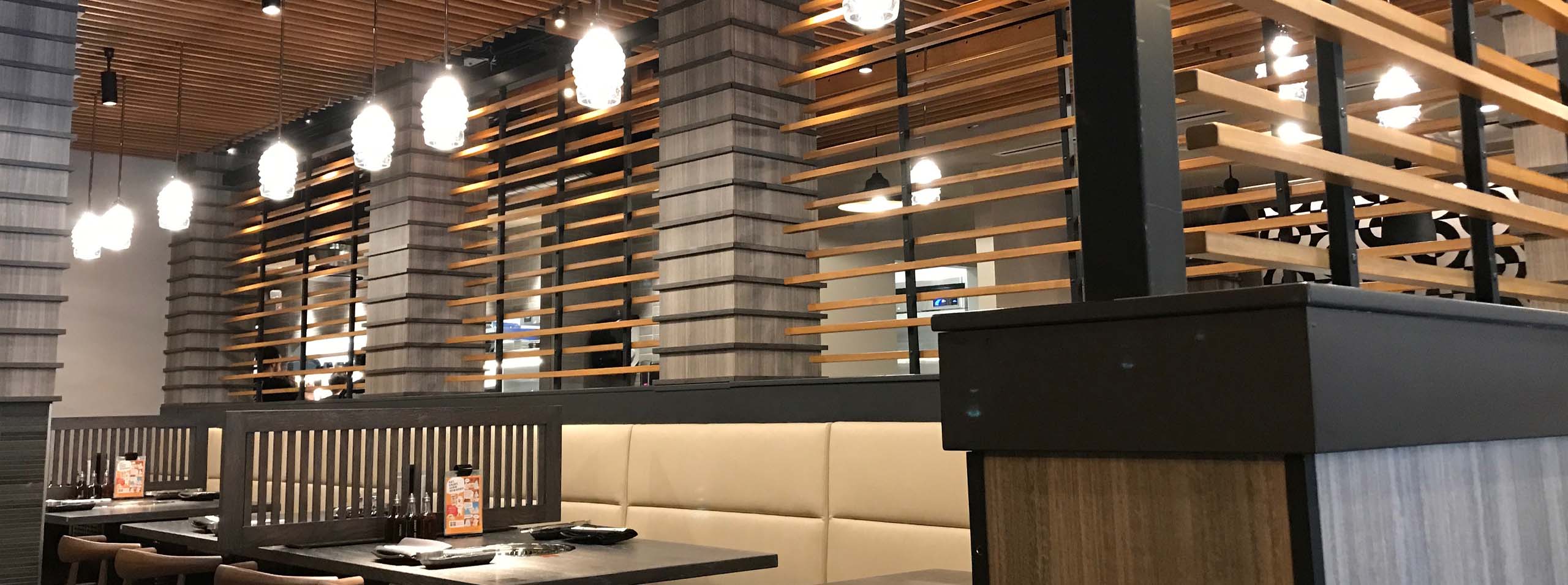
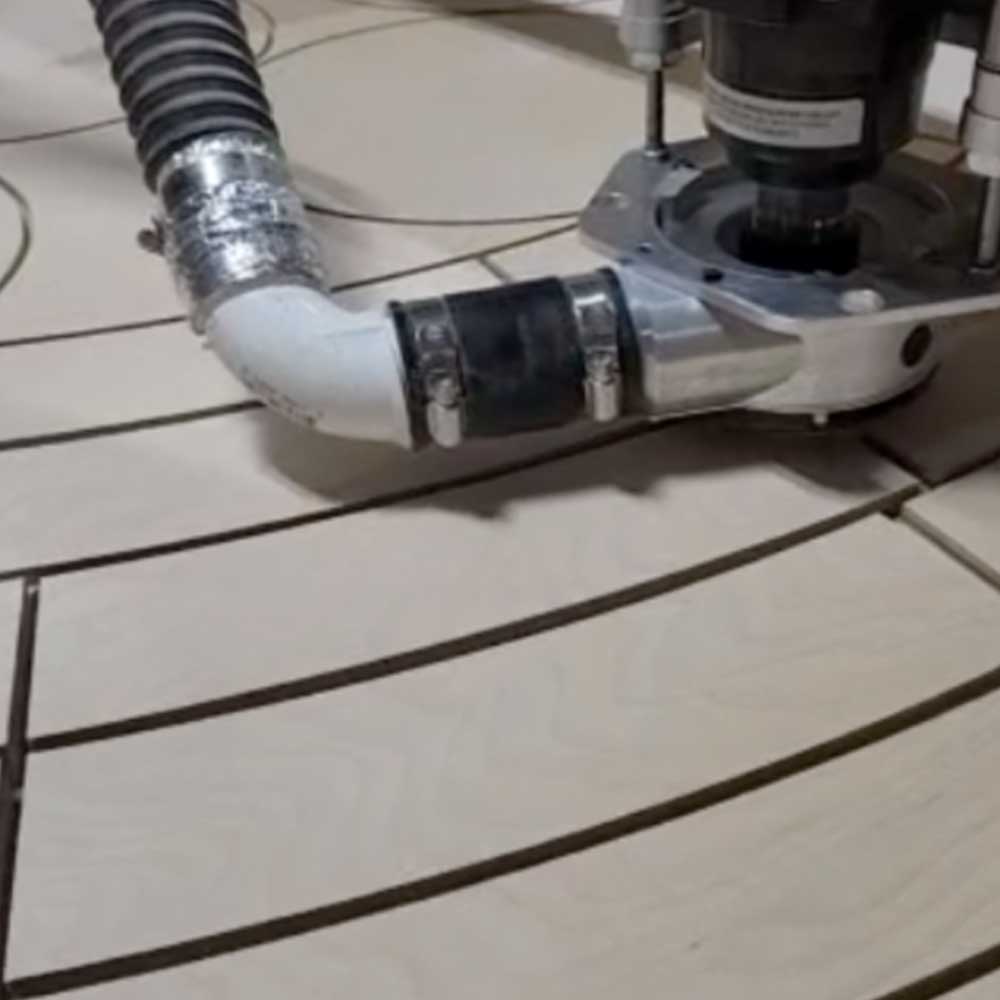
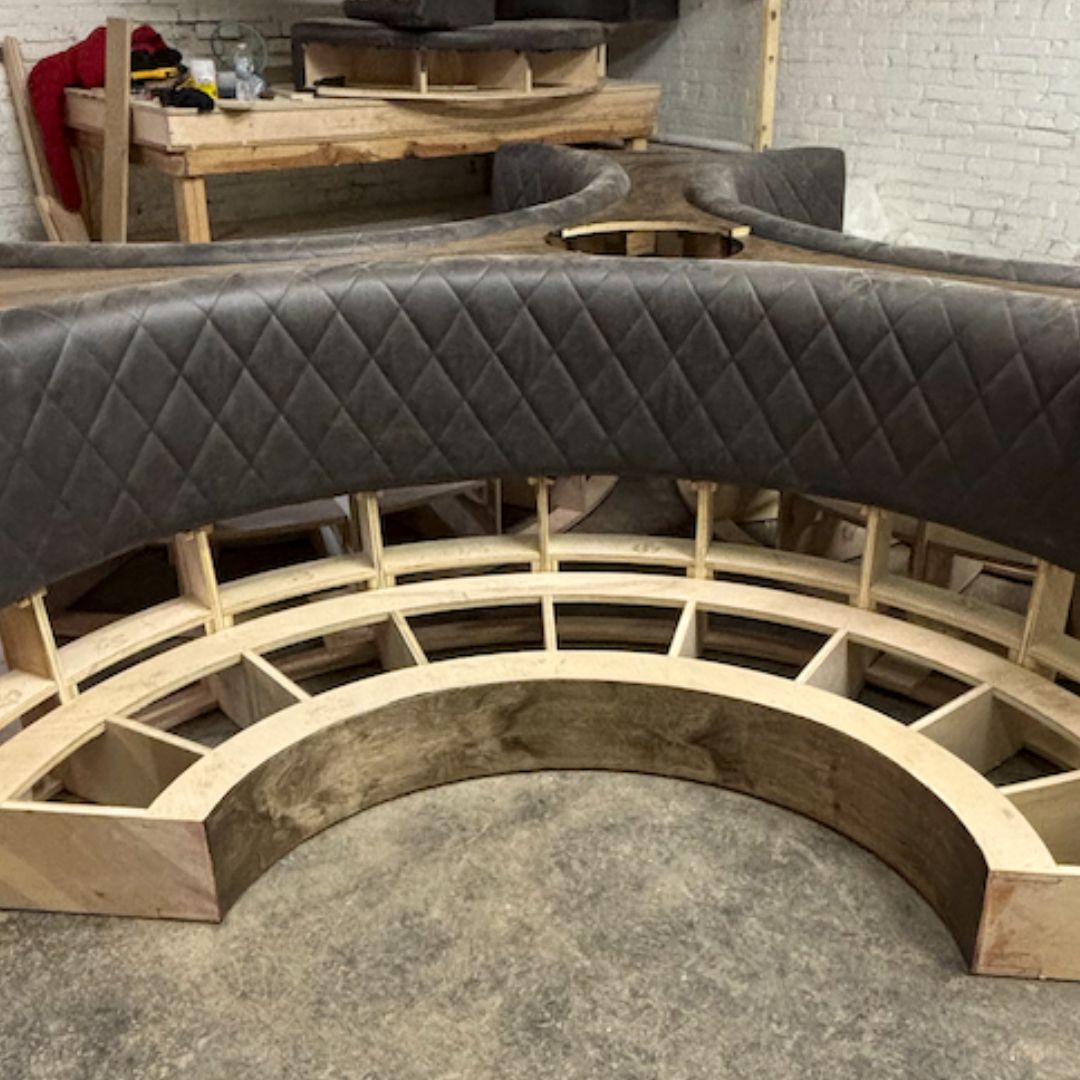
Custom millwork is designed and fabricated specifically for your space. Every dimension, material, finish, and detail is intentional and tailored to how the space will actually be used.
At Form Construction, custom millwork frequently includes:
- Bar fronts and back bars
- Host stands and service stations
- Banquettes and built-in seating
- Feature walls and architectural details
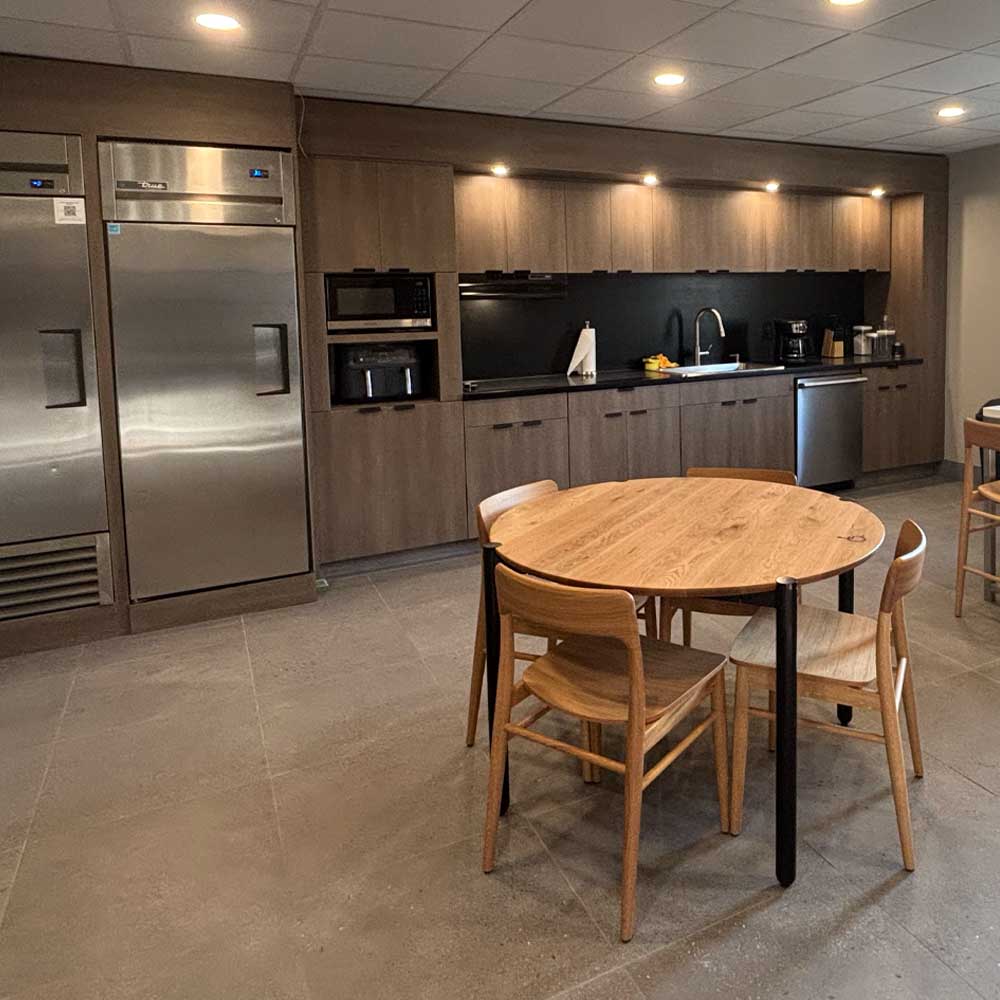
- Custom tables, shelving, and cabinetry
Custom millwork allows the design and construction teams to work together from day one—minimizing surprises and maximizing functionality.
Fit Matters More Than You Think
Commercial spaces are rarely perfect rectangles. Columns, soffits, uneven floors, and tight clearances are common—especially in historic or urban buildings.
Prefab products are built to “average” dimensions. Custom millwork is built to your exact conditions, which means:
- Cleaner installs
- Better ADA clearances
- Fewer field modifications
- A more polished final result
That precision matters not just visually, but operationally.
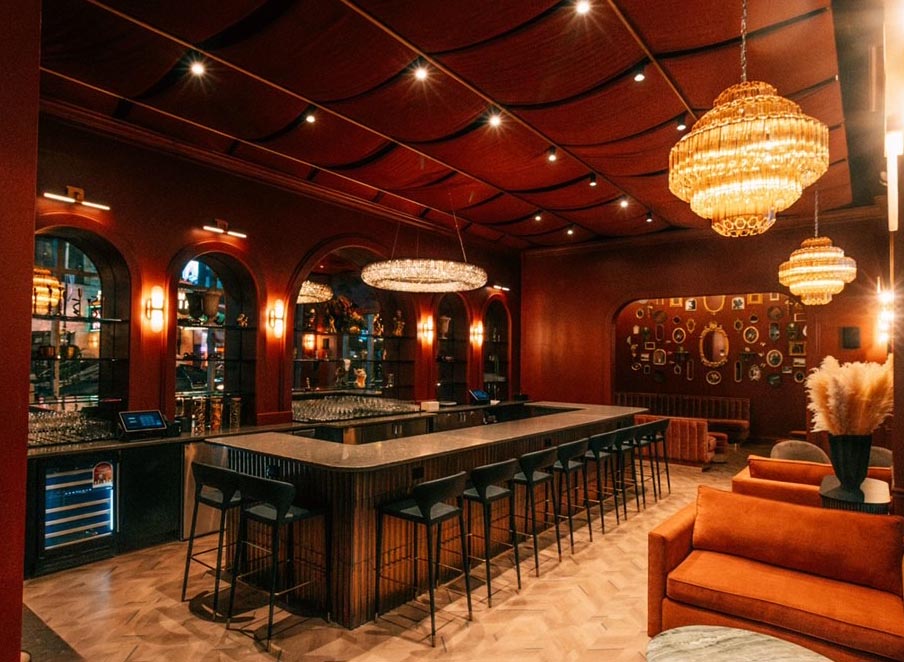
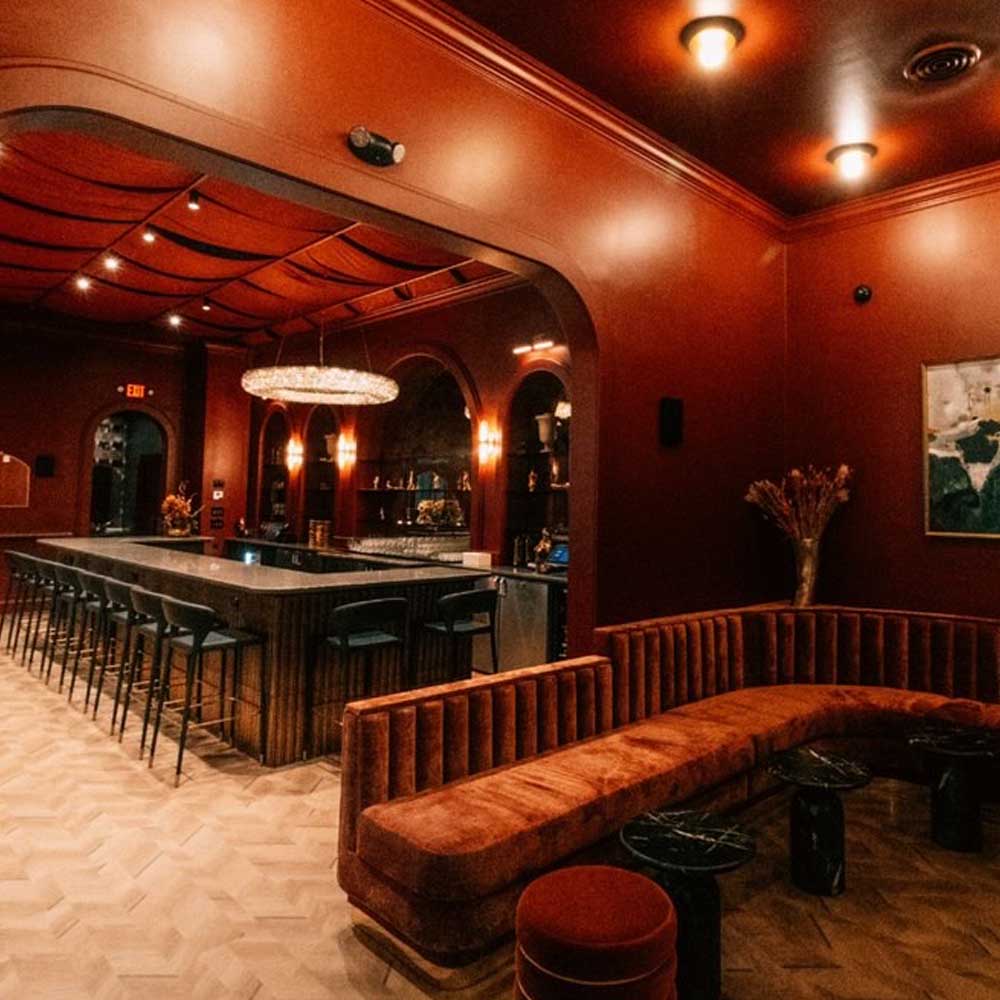
At Encore Cocktail Bar, custom millwork was thoughtfully integrated into the space, reinforcing the brand while supporting the flow and functionality of the bar.
Durability in High-Use Environments
Restaurants and commercial interiors take a beating. Chairs get dragged, edges get bumped, and surfaces get cleaned—constantly.
Custom millwork allows for:
Over time, this often translates to lower maintenance and replacement costs.
Design & Budget Considerations
Design and budget decisions are deeply connected. Custom millwork allows both to work together—supporting your brand while delivering long-term value.
Design That Supports Your Brand
Your space is part of your brand. Custom millwork gives you full control over:
Instead of designing around standard products, the space is designed around your concept—resulting in an environment that feels intentional, cohesive, and memorable.
Budget: Upfront Cost vs. Long-Term Value
It’s true: custom millwork can cost more upfront than prefab alternatives. But it often saves money later by:
For many clients, the question becomes not “Is custom more expensive?” but “Is it worth it?”—and the answer is often yes.

Custom vs Millwork Prefab FAQs
Custom millwork typically has a higher upfront cost, but it often delivers better long-term value through improved durability, fit, and reduced replacement or modification costs.
Prefab can work well for highly standardized spaces with simple layouts, tight timelines, or limited budgets—especially when customization is not critical.
Timelines vary based on complexity and materials, but custom millwork is often coordinated alongside construction to avoid delays and reduce installation issues.
In most cases, yes. Restaurants benefit from custom solutions that account for traffic flow, ADA clearances, durability, and brand-driven design.
Yes. Custom fabrication allows millwork to be built to exact dimensions, helping ensure proper clearances, heights, and accessibility requirements.